Women’s suffering power is bigger. They reach into a world that we don’t (have access to).
IDF Leader, 2014
My grandmother said, “Do it for me too, because I wanted to be a fighter too.”
Caracal Battalion soldier, 2014
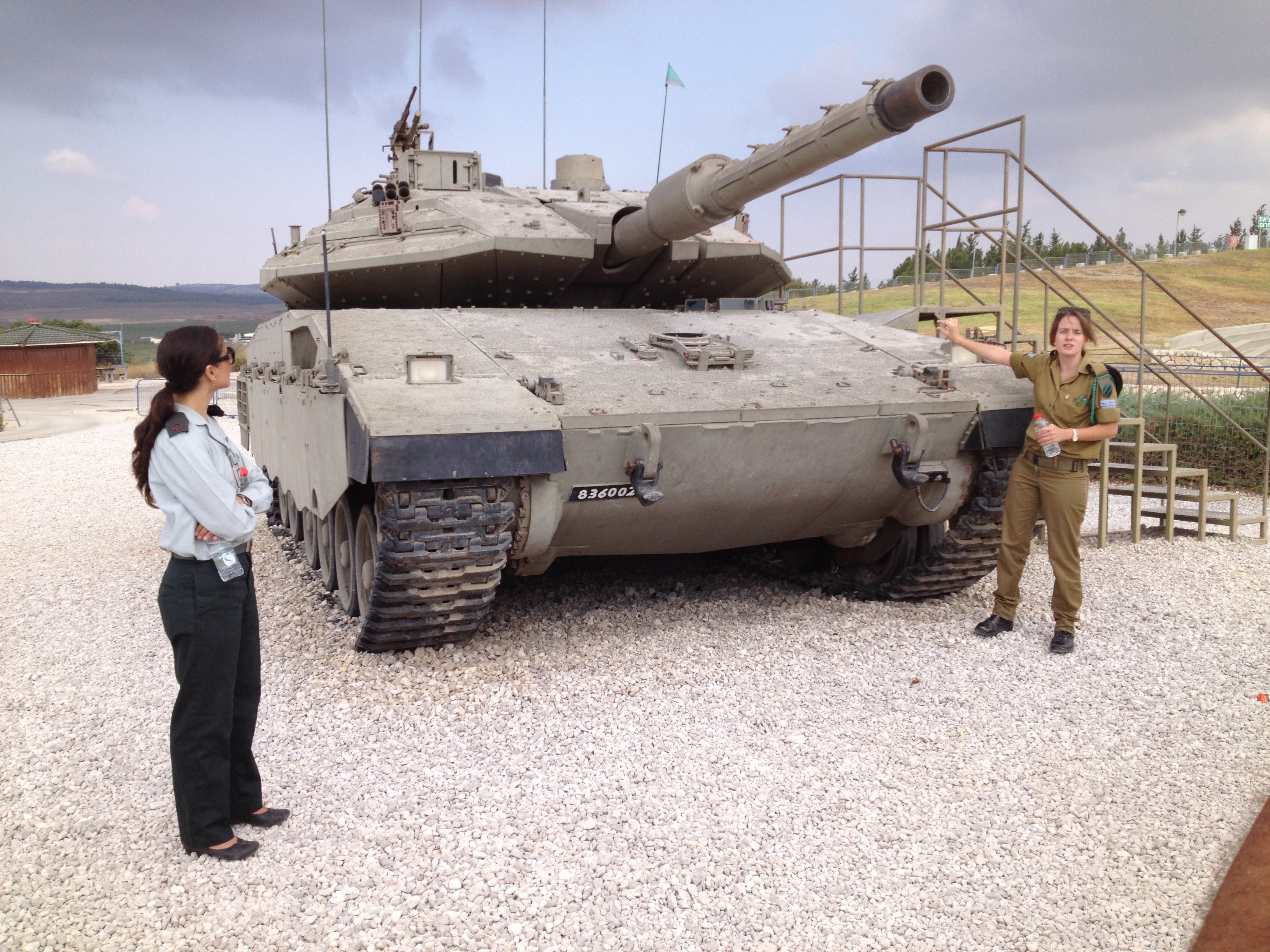
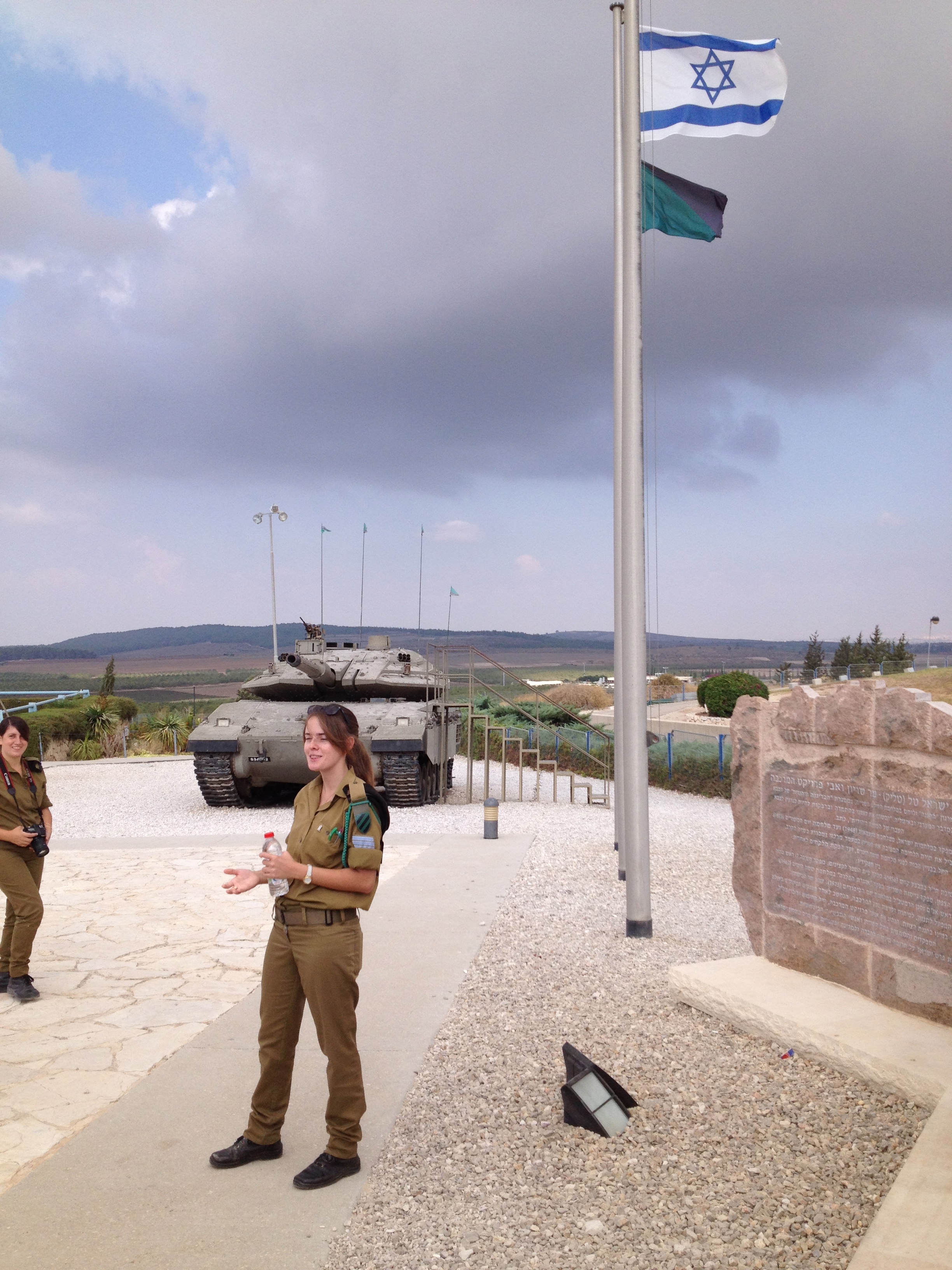
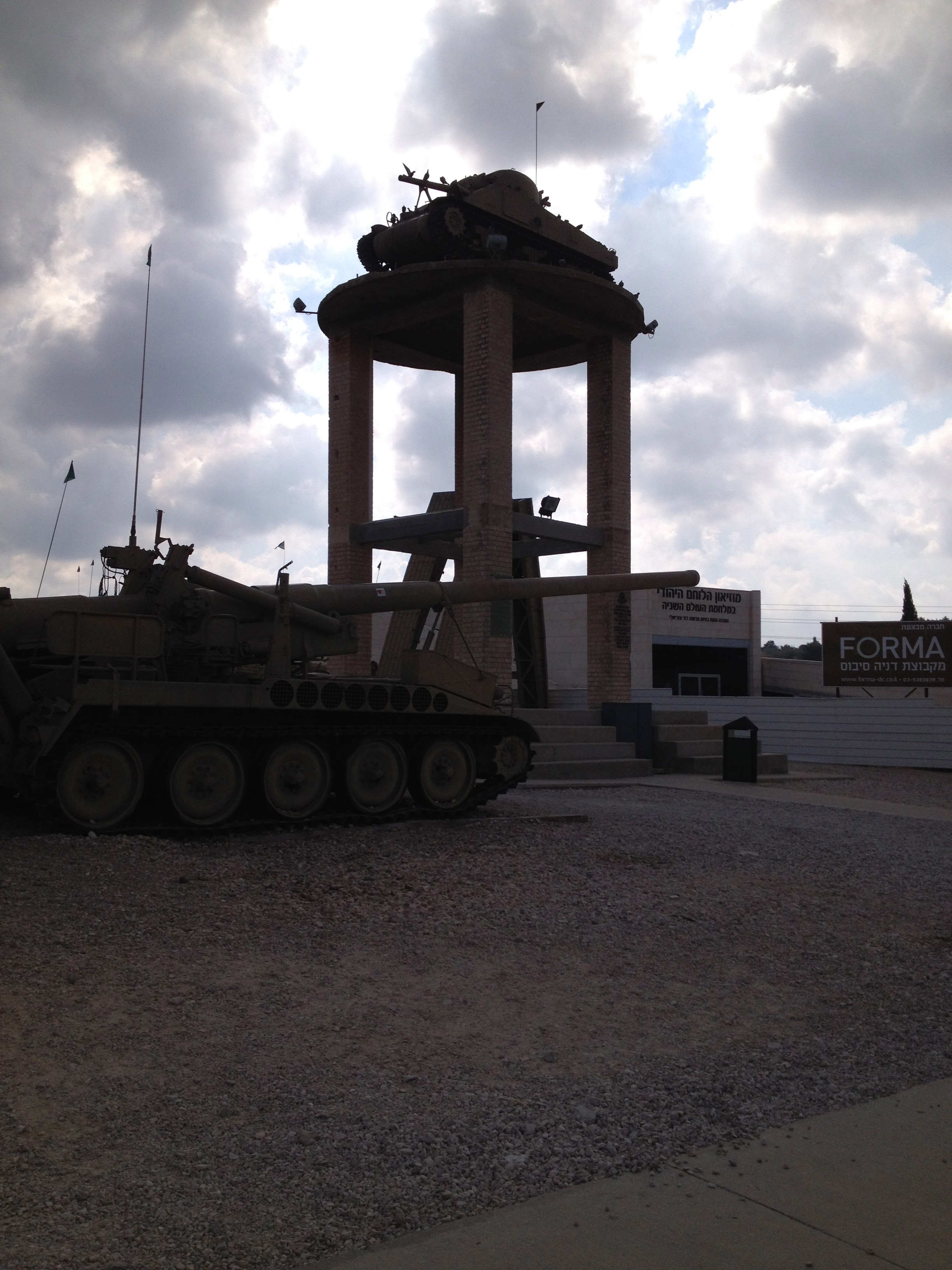
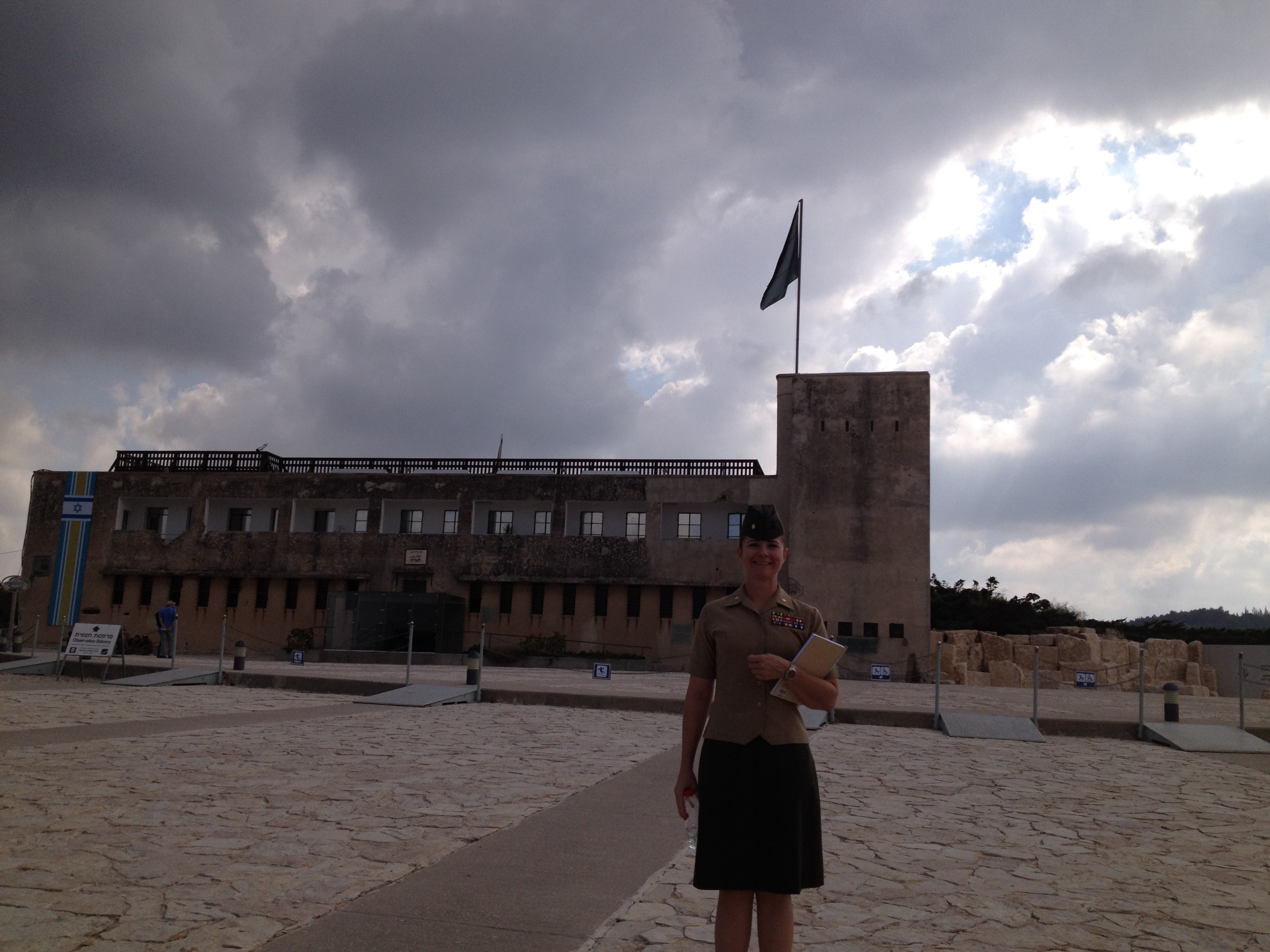
As the Marine Corps began researching women’s integration into ground combat roles, it sought to better understand other nations’ experiences of gender integration. In 2014, the Marine Corps Force Innovation Office (MCFIO) visited four foreign nations. Israel was the first (and my favorite) trip. For five days, we got an inside view on women and the Israeli Defense Force (IDF).
Israel’s experience with women in ground combat goes back the furtherest. During WWII, women served in both the Haganah and in the British Auxiliary Territorial Services (ATS). Many endured accusations of promiscuity, husband-seeking or escape from an unhappy marriage. Nevertheless, the women received high praise: “I really don’t know what I could have done without your girls . . . My own soldiers . . . Do not do half of what your girls do.” The Palmach (assault companies) began in 1941, but the National Command failed to legalize women’s participation until May 1942. Men continually resisted women’s participation in combat action. Some men complained, seeing their potential:
It was because of the reluctance of men that the girls were not included more often . . . They often showed greater zeal, great responsibility than the men . . . There were some girls who were better in the action than the men.
Anne R. Bloom, Israel: The Longest War
In the Israeli War of Independence, five women commanded combat units. One Knesset member noted, “Women were excellent – there was not a single incident of a female soldier not behaving correctly under fire”. However, the end of the war brought the establishment of the Israeli Defense Force (IDF). This would forever change the role women played in the Israeli military.
The 1949 Defense Service Law defined women’s roles in a “peacetime situation” and determined to give women “only the most basic training”. The state conscripted women conscripted at age 18 for a period of 24 months; married women and mothers, along those with “religious convictions” were exempt; service in the reserves was obligatory until age 34 or a woman had her first child.
The IDF became more gendered over time. Combat positions closed to women. Small arms training disappeared. By the early 1980s, women could only enter 270 about of 850 jobs. The gendering of the IDF served a dual function: first, to guard the state; second, “to socialize recruits in the basic values of the society”. Thus, “males dominate in the sphere of professional meritocracy, and the women recruits are funneled into the sphere of social maintenance”.
Combat roles began to open once more in the 1990s. In 1997, Alice Miller filed an appeal to the Supreme Court to attend flight school and won. In 2000, the Equality Amendment paved the way to open doors to more ground combat positions.
The Marine Corps wanted to visit the IDF because of its reputation for full integration. But we discovered that ground combat in the IDF differs in important ways from the US and other allies. Occupations considered “ground combat” in Israel include border police, field intelligence, electronic warfare, anti-aircraft defense and nuclear, biological, chemical (NBC) defense. These positions have been open to women in allied nations (such as the US, UK, Canada and Australia) for decades.
Women in the IDF could join “light infantry”. This meant “a vehicle mounted border security force”. The IDF restricted women from “heavy infantry, armored corps, special forces, and some naval positions”. We were all surprised at the distinction between “light” and “heavy” infantry. Usually, infantry just means infantry. We dived deeper into the conversation, to better understand “women in combat” in Israel.
We discovered that Israeli units often restricted women from crossing the border out of Israel during combat operations. It took until 1982 for Israel to eliminate the prohibition on women crossing the borderlines at all. Only in 2014 (during the conflict in Gaza) did (non-combat arms) female soldiers participate in “combat service support operations on foreign soil”. In practice, commanders continued to restrict women from “offensive” operations outside Israeli borders (any fighting that took place inside Israeli borders was considered “defensive”). Female officer candidates told us they felt frustrated, “because they have gone through the same training as the men but are not allowed to cross borders”. Women had to fight to remain with their comrades during combat operations.
As we listened, I thought of the Marine women leading logistics convoys in Iraq and Afghanistan, all the women going out on patrols with infantry units as Female Engagement Team (FET) members and all the other examples of women receiving Combat Action Ribbons. A senior IDF leader said out loud what I was wondering silently – that women in the US, UK, Canada and Australia were already more integrated into ground combat than the IDF – even without women in infantry. Why?
One senior IDF leader told us, “One of the reasons is understanding the job of the Jewish women for the past 70 years was to produce children. By sending women into combat, they were threatening that outcome”.
Israel faces dire military factors requiring the expanded employment of women. As a small nation facing continuous existential threats, Israel faces a severe manpower shortage. The first nation to conscript women on a permanent basis, Israel conscripts women not as a choice but as a requirement. So they were actively seeking ways to expand women’s employment. As of our 2014 trip, the IDF was inducting approximately 70% of the male 18-year-old population each year and 52% of the female 18-year-old population. Religious exemptions and exemptions for married women significantly limit annual conscription. As a result, the IDF must train the average men (and women) from across Israeli society.
Many male trainees fall into mental and physical categories that are unsuitable for ground combat service. This drives a necessity to employ women in ground combat. Therefore, Israel instituted gender-specific physical requirements to encourage women’s entry into ground combat forces. The IDF developed a quantitative measure to determine weight carried by individual soldier. This measure – a load carriage index (LCI) – is a ratio of lean body mass (weight minus (-) body fat) to dead mass (body fat plus (+) load). It offers a reasonable predictor of a soldier’s ability to engage in physical activity without incurring an injury. LCI effectively limits female soldiers to carrying no more than 33% of their body weight while allowing male soldiers to carry 45-60% of their body weight.
Often misinterpreted and inconsistently applied, the LCI experienced ambiguous results. Some view it as a method to make the requirements for women easier. Simultaneously, the women felt the need to meet male standards (i.e. carry more weight) to gain the men’s respect. They told us, “it didn’t matter; we have to carry the same to be respected the same”. Female officer candidates, leaders and soldiers of the IDF’s Caracal Battalion (a “light infantry” unit consisting of 70% women, 30% men) repeated this numerous times during our visit.
Strenuous training activities can cause serious injuries, pulling soldiers from combat positions. The Caracal Battalion commander told us the women often hurt themselves in an attempt to carry as much or run as fast as the men. He lost strong soldiers (officer and enlisted) because the women pushed themselves to meet the male standard. Despite this, or perhaps because of this, IDF leadership noted:
No functional differences are apparent between men and women . . . in the field . . . women are stronger than men with regards to professional knowledge, rifleman capabilities, teamwork, motivation, discipline, and vigilance.
Women in the IDF are combat instructors – in tanks, artillery and machine guns. IDF combat instructors are exclusively teachers. They do not join combat arms units and do not have direct combat experience. Other Western nations (Canada, Australia, UK and US) had prohibited women from becoming combat instructors because becoming an instructor required having the associated “combat” experience.
The women are fighting gender stereotypes, yet determined to serve their country as equals.
Traditional gender roles still play strongly in the IDF. While the men must prove themselves by entering the most challenging and disciplined combat units, some men (and women) assume that young women are in the IDF simply to “find a man”. Once young women have a boyfriend, other soldiers often ascribe her boyfriend’s status to her: “If your boyfriend is kravi (in a combat unit) . . . you are judged on your boyfriend’s status in the army more than your own”. Simultaneously, men appeared less interested in dating a woman in combat arms: “I don’t think many men want a girlfriend who’s a pilot . . . they’d get very threatened by . . . a combat girl”. According to Klein, “female soldiers in Israel (as elsewhere) could never obtain a high prestige. Status in the IDF is determined by the proximity to combat”.
Discussions with IDF leadership confirmed this belief. The Caracal Battalion commander experienced persistent challenges in recruiting men to the battalion, which should consist of fifty percent women and fifty percent men. However, men did not want to fight in a unit with women. The commander tried to entice men to join by targeting men with a lower physical profile. A profile of 82-97 is required for men to join the infantry, but the Caracal accepted men with a profile as low as 72. Nevertheless, the Caracal Battalion consisted of seventy percent women and thirty percent men.
We learned so much on our trip to Israel. We had gone in hopes of better understanding women’s integration into ground combat positions. As happened so often over the next two years, we discovered the physical requirements and associated challenges were actually gender neutral. Everyone has to carry the same weight to gain the same level of respect. We overlooked (or perhaps simply took for granted) the importance of good leadership.
The greater challenge lay in the cultural and social norms. Men expected to enter ground combat positions to “be men” or prove their masculinity. They expected to be in units without women. They associated strength and toughness with masculinity, weakness and vulnerability with femininity. Overcoming this perception was the real challenge before leadership. As one senior Marine leader put it, “Gender integration has nothing to do with the women and everything to do with the men.”


 Breaking Into the Brotherhood